
Prefer to read offline?
You can download the original article as a PDF document.

Anyone that has been in the collision repair business for any length of time must have been told at some time during an intense negotiation session that, “You are the only one.”
Of course, this can apply to almost any situation, or operation listed on an estimate or repair order. It often includes items such as corrosion protection, body supplies, car covers, seam sealers, color tinting, blending within a panel or the next panel, color sanding and buffing, and a long-time favorite of mine: feather, prime, and block. However, any operation listed could be challenged the same way. This is just part of a negotiation technique that has been used very successfully for decades.
It also is usually not the first rebuttal try for the operation, but is often later down the line of refusal points during this negotiation process. What is both sad and really scary is that some owners and managers actually believe this statement, and back off from possibly ever requesting this needed operation again!
The “Only One” Myth
The first and foremost point of this month’s column is to make sure all that read this are assured that they most likely are NOT the only one when this point is made. And even if so, if the operation is necessary to repair the vehicle back to pre-accident condition—the standard to which you will be held accountable for—so be it.
This is where our Industry has begun to falter in its understanding of the significance of this resulting scenario. If the operation is needed on a specific repair, if there are materials and/or supplies necessary to perform it, it needs to be listed as being performed, and of course, it must be done accordingly. I wonder how many improper repairs are rationalized because, “I wasn’t getting paid to do it, so I didn’t do it”?
No doubt many just do it and do not charge or list it on the estimate/repair order as per the recommendation of the work provider. This simply is not the solution our Industry needs to continue. As per law which varies State to State, but has some basic fundamental similarities, you must disclose to the Customer (the vehicle owner) what work you will be performing on their vehicle. This must meet specific guidelines of itemization for each State, and you are held accountable for performing them as professionals.
The Danger of Cost Shifting
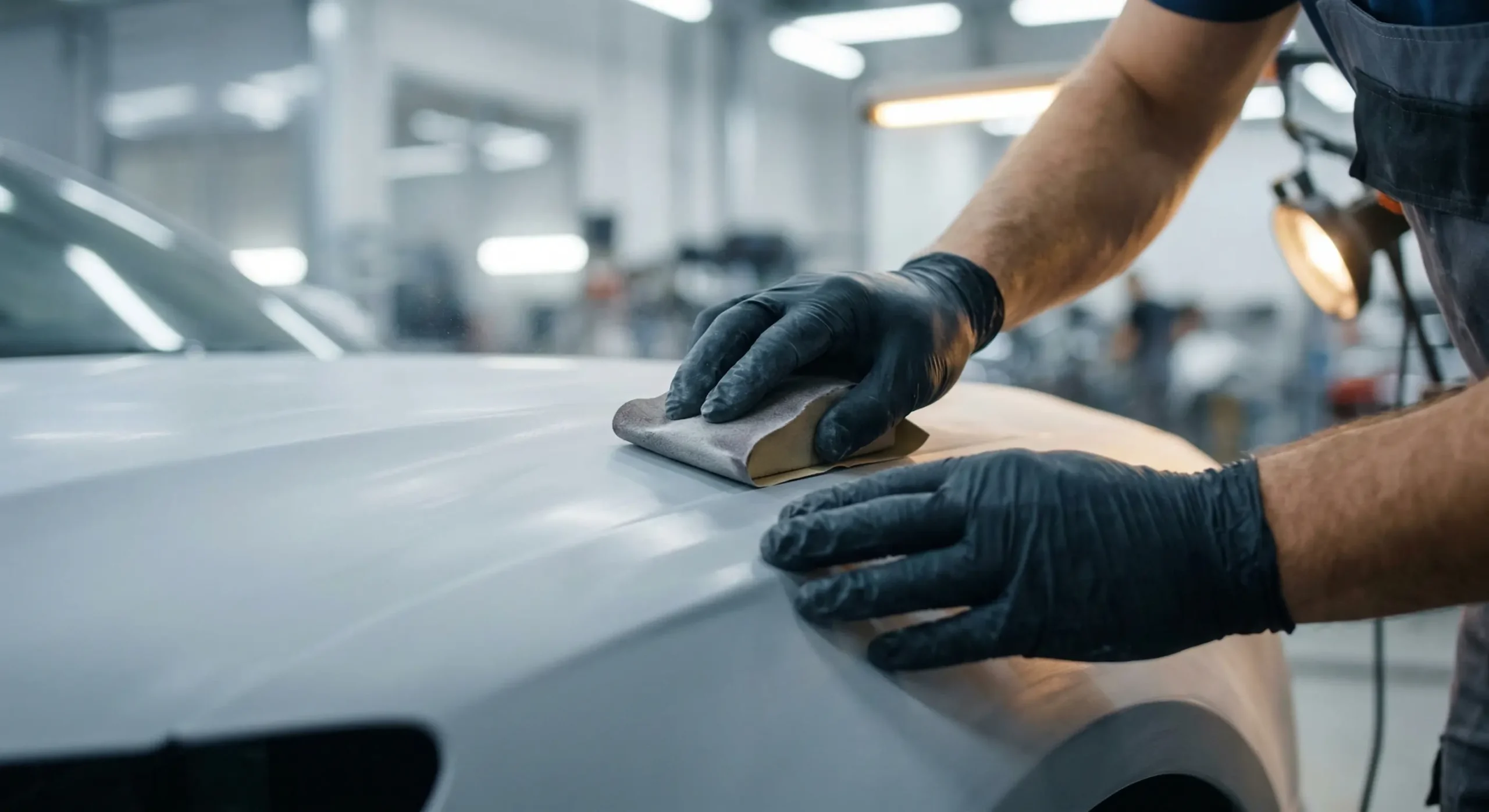
So what happens today? The reputable shops that just give in to these requests include these “No-No” operations as value-added, but how? There simply is no free lunch. They are often grouped or included in some other judgment time that can be negotiated a little higher than usual and customary. Of course, this is a purest case of cost-shifting that has occurred since the introduction of estimating. Is this what our Industry needs to continue?
I certainly hope not, and encourage the leaders of the Insurance and Repair Industry to continue work to change and discourage this practice as the Collision Industry Conference (CIC) document, Best Practices Guidelines for Estimating and Processing Auto Physical Damage Claims, suggests. This Industry best practice document was introduced in July 1999 and later approved by a wide cross-section of leaders within our Industry.
At the April 2006 CIC Meeting in Portland, Oregon, another very good step was made by those in attendance for the Industry. The body present voted to accept a very important clarification for what has been tagged as “The Gap.” This gap operation—Feather Edge, Prime, and Block—has been one of the operations often used in the prior mentioned “You are the Only One” scenario. It was agreed by vote by representatives for all segments of the Industry at the meeting. The approved wording is:
The repair process associated with damaged painted body panels typically involves multiple operations; body repair, feather, prime, block, and refinish.
The body repair process includes metal finishing and/or the use of body fillers to return the body panel to its undamaged contour. The repaired area is finished to 150 grit and free of surface imperfections. Feather, prime, and block are not-included refinish operations that complete the process from 150 grit to the condition of a new undamaged panel. The refinish process starts at the condition of a new undamaged panel and is outlined and documented in printed and/or electronic time guides.
The body/paint labor and materials necessary to prepare the repaired area from 150 grit to the condition of a new undamaged part is a valid and required step in the process. The labor and material allowance for these operations requires an on-the-spot evaluation of the specific vehicle and damage.
The Power of Industry Education
So what does this mean? Not much if no one else knows about it. So spread the word! This I have found to be one of the biggest causes for disparity within our Industry. There are many that simply do not know what is going on outside their own parking lot, while others are well informed by commitment and choice. The need for education and communication within our Industry has never been any greater.

It is a shame there are so few that participate in National Events and Meetings held by I-CAR, NACE, NABC, and CIC. In fact, you can almost count on the same Industry members in attendance at just about every event. I realize many don’t take advantage of getting information first-hand for many valid reasons. However, you can still stay informed by participating in National, State, and Local Industry Trade Associations as well. They are a valuable resource to participate in and get involved with. Of course, today with the introduction of the internet, one can also get their vital industry news and information injections through many sources almost every day.
So the next time you are told, “You Are the Only One,” thank them for being considered so special, or maybe let them know they might be the “Only One” that has not been informed! It just takes a time commitment to see and learn of what is happening around you so you can prepare for a better business future, otherwise keep in mind: Change Will Happen With or Without You.
Until next month—keep being special!
Industry Resources & Associations:
- ABRN’s E-Pillar: www.abrn.com
- CollisionWeek: www.collisionweek.com
- Automotive Service Association (ASA): www.asashop.org
- Society of Collision Repair Specialists (SCRS): www.scrs.com
- NABC: www.autobodycouncil.org
- CIC: www.ciclink.com
- I-CAR: www.i-car.com
- AEII: www.aeii.net
